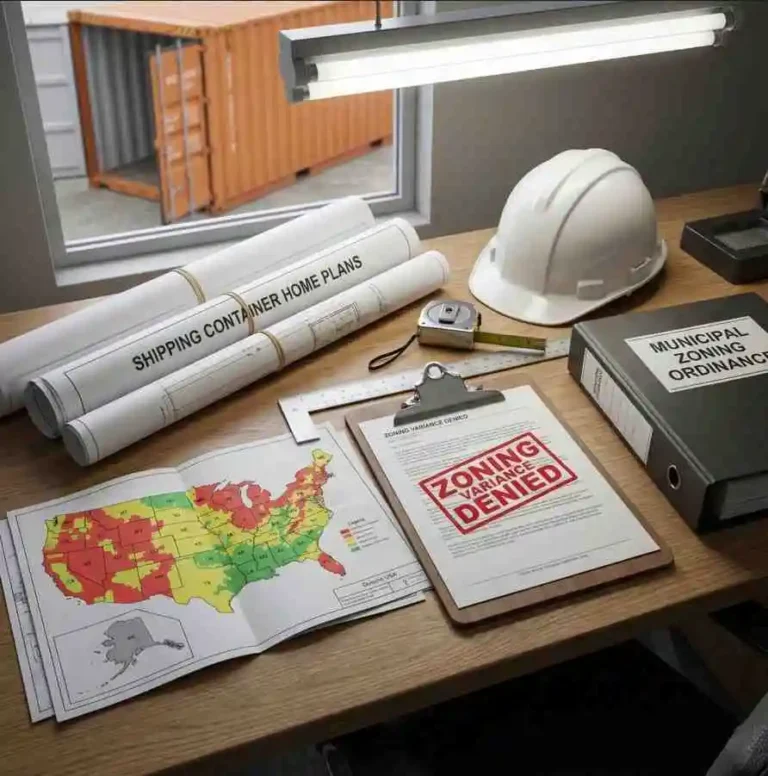

Do You Need a Permit for a Container Home? The #1 Mistake to Avoid
Comprehensive Guide to Container Home Permit Requirements and Stop-Work Order Prevention
Do you need a permit for a container home? The answer is almost always yes, and failing to secure proper permits before construction begins is the #1 mistake that can derail your entire project. One unapproved modification, one missing permit, one code violation discovered mid-construction can result in a stop-work order that halts everything indefinitely—costing you thousands in fines, delays, and mandatory corrections.
Building departments across the United States have authority to issue stop-work orders when construction proceeds without required permits or fails to meet code requirements. These orders can result in daily fines ranging from $500 to $5,000, mandatory demolition of completed work, and delays that extend your project timeline by months. Understanding whether you need a permit for a container home isn’t just about compliance—it’s about protecting your investment and avoiding the nightmare scenario that stops your dream home in its tracks.
This comprehensive guide walks you through everything you need to know about container home permit requirements, from understanding IRC and IBC code provisions to working with Professional Engineers and navigating your local building department. You’ll learn exactly when you need a permit for a container home, what documentation building officials expect, and the specific steps to ensure your project proceeds legally and safely from start to finish.
Do You Need a Permit for a Container Home? Understanding the Requirements
Do you need a permit for a container home? The definitive answer is yes in virtually all jurisdictions across the United States. Shipping container homes are classified as permanent structures when placed on foundations, which means they fall under the same building codes and permit requirements as traditional site-built homes. Whether you’re converting a single 20-foot container into a backyard office or constructing a multi-container family residence, building departments require permits to ensure structural safety, proper utilities, and code compliance.
When You Need a Permit for a Container Home
Building departments issue permits to verify that construction meets minimum safety standards established by adopted building codes. You need a permit for a container home when your project involves any of these elements: placement on a permanent foundation, connection to utilities (electrical, plumbing, HVAC), structural modifications to the container (cutting doors, windows, or walls), use as a dwelling unit or habitable space, or placement that creates a structure over a certain square footage threshold (typically 200 square feet). Understanding shipping container zoning laws in your area is equally critical to permit approval.
The permit process serves multiple critical functions beyond regulatory compliance. Permits trigger inspections at key construction phases, ensuring your foundation meets load requirements, electrical systems are safely installed, plumbing connections prevent contamination, and structural modifications maintain the container’s integrity. These inspections protect not only the building occupants but also future property owners and neighboring properties from potential hazards.
Why the Question “Do You Need a Permit for a Container Home” Has Regional Variations
While the general answer about whether you need a permit for a container home remains consistent nationwide, specific requirements vary significantly by jurisdiction. Some counties adopt the IRC without amendments and accept standard residential construction permits. Others require additional documentation specific to alternative building materials, including shipping containers. A few progressive jurisdictions have established streamlined permit processes specifically for container construction, recognizing the growing popularity of this sustainable building method.
State and local amendments to the IRC can add requirements beyond the base code. Some jurisdictions mandate enhanced seismic provisions, increased wind load calculations, or specific foundation designs for container structures. These regional variations mean that answering “do you need a permit for a container home” requires understanding both the base IRC requirements and any local amendments adopted by your building department. Researching your local container home foundation requirements early in the planning process prevents costly surprises during permit review.
Exceptions and Special Circumstances
Limited exceptions exist for small accessory structures in some jurisdictions. According to building code provisions, structures under 200 square feet in area that are not used for habitation and don’t require utilities may be exempt from permits in certain areas. However, even when asking “do you need a permit for a container home” used as storage, the answer often remains yes due to zoning regulations, homeowners association rules, and property line setback requirements that still apply.
Container homes used as temporary structures face additional scrutiny. Building departments may issue temporary use permits with strict time limitations (often 180 days), but these permits typically require the same level of code compliance as permanent structures. The temporary designation relates to duration of use rather than reduced safety standards, so you still need a permit for a container home even when planning temporary occupancy.
IRC/IBC Code Provisions for Container Home Permits
Container homes fall under the jurisdiction of either the International Residential Code (IRC) for one- and two-family dwellings or the International Building Code (IBC) for larger or commercial structures. The International Code Council publishes both codes, which establish minimum requirements for structural safety, fire protection, means of egress, and habitability. Understanding which code applies to your project determines the specific permit requirements and approval process when you need a permit for a container home.
Section R105 of the IRC explicitly addresses when permits are required for residential construction. This section establishes the building official’s authority to require permits before any construction, alteration, or repair work begins. The code recognizes that proper permitting protects public health, safety, and welfare by ensuring qualified professionals review construction plans and inspect completed work at critical stages.
📖 View Full IRC Section R105.1 Text
IRC Section R105.1 – Required:
Any owner or owner’s authorized agent who intends to construct, enlarge, alter, repair, move, demolish or change the occupancy of a building or structure, or to erect, install, enlarge, alter, repair, remove, convert or replace any electrical, gas, mechanical or plumbing system, the installation of which is regulated by this code, or to cause any such work to be performed, shall first make application to the building official and obtain the required permit.
Source: 2021 International Residential Code
Stop-Work Order Authority Under Building Codes
Building officials have explicit authority under the IBC to issue stop-work orders when construction proceeds without permits or violates code requirements. Section 115 of the IBC grants this enforcement power to protect public safety. A stop-work order immediately halts all construction activities and remains in effect until the building official determines that proper permits have been obtained and any code violations have been corrected. This is the primary consequence when builders fail to determine whether they need a permit for a container home before beginning work.
📖 View IBC Section 115 on Stop Work Orders
IBC Section 115 – Stop Work Order:
Upon notice from the building official that work is being done contrary to the provisions of this code or in a dangerous or unsafe manner, such work shall immediately cease. Such notice shall be in writing and shall be given to the owner of the property, the owner’s authorized agent, or the person performing the work. The notice shall state the conditions under which work is authorized to resume. Where an emergency exists, the building official shall not be required to give a written notice prior to stopping the work.
Source: 2021 International Building Code
Intermodal Shipping Container Provisions
The IRC specifically addresses shipping containers repurposed as buildings in Section R301.1.4. This provision directs builders to Section 3115 of the IBC for structural design requirements when using intermodal shipping containers. This recognition in the code confirms that container homes are legitimate building types but must meet the same structural engineering standards as conventional construction. Professional Engineer involvement becomes essential to verify that container modifications and connections meet load path requirements established in the code.
When evaluating whether you need a permit for a container home, building departments will reference these specific code sections. Having comprehensive construction documents that address the unique structural characteristics of shipping containers streamlines the permit review process. Plans designed to align with IRC and IBC standards reduce the likelihood of plan rejections or requests for additional information that delay permit issuance.
| Code Provision | IRC/IBC Reference | Application to Container Homes |
|---|---|---|
| Permit Required | IRC R105.1 | All construction, alteration, electrical, plumbing, mechanical work |
| Stop Work Authority | IBC Section 115 | Building official can halt unpermitted or unsafe work immediately |
| Container-Specific Design | IRC R301.1.4, IBC 3115 | Structural design by PE required for repurposed containers |
| Foundation Requirements | IRC R403 | Containers must have code-compliant foundations with proper footings |
| Inspection Requirements | IRC R109 | Foundation, framing, mechanical, electrical, plumbing, final inspections |
Professional Engineer’s Role in Container Home Permits
Understanding whether you need a permit for a container home is only the first step—successfully obtaining that permit requires Professional Engineer involvement in most US jurisdictions. A licensed PE provides the structural engineering analysis, stamped drawings, and code compliance certification that building departments require for alternative construction methods like shipping containers. This professional review ensures your project meets all structural safety standards while streamlining the permit approval process.
What Your Professional Engineer Reviews
When you submit plans for a permit for a container home, your PE conducts comprehensive structural analysis addressing container-specific engineering challenges. The engineer verifies that the container’s structural integrity remains intact after modifications like door and window openings. They calculate point loads at foundation connections to ensure proper support. They confirm that the modified container can resist local wind loads, seismic forces, snow loads, and live loads based on your specific climate zone and site conditions.
The PE also evaluates how multiple containers connect if you’re building a multi-container home, ensuring load paths transfer properly between units. They review foundation design to verify it can support the concentrated loads from container corner posts. They assess any structural reinforcements needed around openings and at connection points. This thorough engineering review addresses all structural concerns that building officials will scrutinize during plan review.
The PE Stamping Process
After purchasing comprehensive plans from PermitContainerhomes.com, you’ll work with a licensed PE who follows a structured review process. First, the engineer reviews your purchased plans and site-specific information including soil reports, topographic surveys, and local code amendments. Next, they adapt the design for your precise location, adjusting calculations for local wind speeds, seismic design category, frost depth, and snow loads. The engineer then prepares stamped structural drawings and calculations that bear their professional seal and signature.
The PE’s stamp represents their professional certification that the design meets all applicable code requirements for your jurisdiction. This stamp carries legal weight and liability—the engineer is certifying that when constructed per the stamped plans, the structure will perform safely under all anticipated loads. Building departments will not issue permits for container homes without these stamped engineering documents, which definitively answers why you need a permit for a container home and why PE involvement is non-negotiable.
Finding and Working with a Professional Engineer
Locate qualified PEs through your state’s engineering licensing board directory, which lists all licensed engineers by specialty. Look for structural engineers with experience in residential construction and preferably familiarity with alternative building methods. Request references from previous container home projects if possible. During initial consultations, verify the engineer holds current licensure in your state, ask about their experience with container structures and local building departments, and discuss their review timeline and fee structure.
Effective collaboration with your PE requires providing complete information upfront. Share your purchased plans, detailed site information including surveys and soil reports, and any specific customization requests or site constraints. Be transparent about your budget and timeline. The more information your PE has initially, the more accurate their cost estimate and the smoother the review process. This partnership between you, your purchased plans, and your local PE creates the foundation for successful permit approval when you need a permit for a container home.
Step-by-Step Process: Obtaining Your Container Home Permit
The permit application process for container homes follows a methodical sequence that, when executed properly, leads to timely approval and successful project completion. Understanding each step helps you prepare appropriate documentation, avoid common delays, and maintain positive relationships with building officials throughout the review process. Most jurisdictions now offer online permit portals, though container homes typically benefit from in-person pre-application consultations due to their unique construction characteristics.
Step 1: Pre-Application Consultation
Schedule a meeting with your local building department before formally applying for a permit for a container home. Bring preliminary plans or sketches and ask specific questions about local requirements for container construction. Inquire about any previous container home permits they’ve issued and what documentation those applicants provided. Ask about adopted code amendments, zoning setbacks, and whether any overlay districts affect your property. This consultation identifies potential obstacles early and establishes rapport with staff who will review your application.
During this meeting, verify the specific plan submission requirements, confirm which inspections will be required and their typical sequencing, ask about average plan review timelines, and obtain a fee schedule to budget accurately. Building officials appreciate proactive applicants who seek guidance before submission rather than those who submit incomplete applications requiring multiple correction cycles.
Step 2: Assemble Required Documentation
Building departments require comprehensive documentation when you apply for a permit for a container home. Start with your purchased plans from PermitContainerhomes.com, which include complete architectural drawings, structural details, electrical layouts, plumbing systems, and mechanical plans. Add PE-stamped structural drawings and calculations adapted for your specific site conditions. Include a detailed site plan showing property boundaries, setbacks, structure location, driveway access, and utility connections.
Additional required documents typically include energy compliance calculations demonstrating adherence to your jurisdiction’s adopted energy code, completed permit application forms with accurate project valuation, proof of property ownership, and any required special studies like geotechnical reports or flood zone certifications. For additional guidance on residential building requirements, the U.S. Department of Energy provides resources on meeting energy code standards for container home projects, particularly regarding thermal insulation strategies for steel structures.
Step 3: Submit Application and Pay Fees
Submit your complete application package through your jurisdiction’s permitting system, whether online portal or in-person at the building department counter. Pay all required fees at submission, as most jurisdictions won’t begin review until fees are processed. Permit fees typically range from $500 to $3,000 depending on project valuation, jurisdiction fee schedules, and whether you’re including electrical, plumbing, and mechanical permits in one application or submitting them separately.
Request a receipt and confirmation number for your application. Ask for the name of the plan reviewer assigned to your project and their estimated review timeline. Some jurisdictions assign specific case managers to each permit application, providing a single point of contact throughout the process. Establishing this contact early facilitates communication if questions arise during review.
Step 4: Plan Review and Corrections
Building department plan reviewers examine your submitted documents for code compliance, typically taking 2-8 weeks depending on project complexity and current workload. Reviewers check structural adequacy, fire safety provisions, egress requirements, energy code compliance, and proper detailing of all building systems. For container homes, reviewers pay particular attention to how modifications affect structural integrity, proper insulation and vapor barrier installation, and adequate foundation design for concentrated loads.
If reviewers identify deficiencies, you’ll receive a correction notice listing specific items requiring revision. Work with your PE to address structural comments and revise affected drawings. Resubmit corrected documents promptly to maintain your place in the review queue. Most jurisdictions allow phone calls or emails to clarify correction requests before resubmission, reducing the likelihood of additional review cycles.
📖 View IRC Section R109 on Required Inspections
IRC Section R109.1 – Types of Inspections:
The building official, upon notification from the permit holder or the permit holder’s agent, shall make the following inspections and such other inspections as necessary, and shall either release that portion of the construction or shall notify the permit holder or an agent of any violations that must be corrected. The building official shall determine the timing and sequencing of when inspections occur and what elements are inspected at each inspection.
Required building inspections include: Foundation inspection (before concrete placement), plumbing rough-in inspection, mechanical rough-in inspection, electrical rough-in inspection, frame and masonry inspection, and final inspection.
Source: 2021 International Residential Code
Step 5: Permit Issuance and Construction
Once all review comments are addressed and the building official approves your plans, the department issues your permit. This typically occurs within 1-3 business days after final approval. You’ll receive permit documents including approved plans stamped by the building department, a permit placard to display at the job site, and an inspection schedule outlining required inspections and when to call for each one.
Construction can legally begin only after permit issuance. Display the permit placard prominently at your job site—visible permit documentation prevents neighbor complaints and demonstrates compliance if officials conduct site visits. Schedule required inspections at appropriate construction milestones: foundation inspection before concrete placement, rough-in inspections after framing and systems installation but before covering, and final inspection when all work is complete.
| Process Step | Typical Timeline | Cost Range | Key Actions |
|---|---|---|---|
| Pre-Application Meeting | 1-2 weeks to schedule | No charge | Verify requirements, ask questions |
| Plan Purchase | Immediate | Varies by design | Download from PermitContainerhomes.com |
| PE Review & Stamping | 2-4 weeks | $2,000-$5,000 | Site-specific engineering analysis |
| Application Submission | 1 day | $500-$3,000 | Submit complete documentation |
| Plan Review | 2-8 weeks | Included in fees | Respond promptly to corrections |
| Permit Issuance | 1-3 days after approval | No additional cost | Begin construction legally |
Important: Timelines and costs vary significantly by jurisdiction, project complexity, and current department workload. PE costs represent separate professional services from plan purchases. Always verify specific requirements with your local building department.
Working with Building Officials and Professional Engineers
Successful container home projects depend on effective collaboration with two key professionals: building officials who enforce codes and issue permits, and Professional Engineers who certify structural compliance. Understanding how to work productively with both groups transforms the permit process from an obstacle into a manageable series of steps. Building positive relationships early prevents misunderstandings and creates advocates who can guide you through challenging requirements.
Building Department Communication Best Practices
Building officials respond best to applicants who demonstrate preparation, respect for the process, and commitment to code compliance. When asking “do you need a permit for a container home” at your building department, approach the conversation as seeking guidance rather than looking for shortcuts. Schedule appointments rather than dropping in during busy counter hours. Bring preliminary plans or sketches to show you’ve done homework. Take notes during conversations and follow up in writing to confirm your understanding of requirements discussed.
If your building department has limited experience with container construction, offer to provide educational resources about how shipping containers function structurally. Share information about successful permitted container projects in other jurisdictions. Some building officials appreciate learning about new construction methods, while others prefer to see extensive documentation proving code compliance. Reading your building official’s comfort level with innovation helps you calibrate your approach.
Common Building Department Questions About Container Homes
Building officials typically ask several standard questions when reviewing whether you need a permit for a container home. They want to know if containers are new or used, as used containers may require verification of prior contents and structural condition. They’ll ask how you’re addressing corrosion protection and what coating systems you’re applying. Questions about how openings affect structural integrity arise frequently, requiring PE calculations showing adequate reinforcement.
Officials inquire about insulation strategies to meet energy code requirements, particularly how you’re preventing thermal bridging through steel walls. They want to see vapor barrier details preventing condensation inside the insulated envelope. Foundation design receives scrutiny, with questions about how concentrated corner loads transfer to footings. Anticipating these questions and addressing them proactively in your permit application documents demonstrates professionalism and reduces review cycles.
Overcoming “We’ve Never Permitted a Container Home” Resistance
Some building departments express hesitation when encountering their first container home permit application. This resistance typically stems from unfamiliarity rather than code prohibition. When officials state they “don’t allow” container homes, politely ask which specific code provision prohibits them. The IRC and IBC contain no blanket prohibition on shipping containers as building materials—Section R301.1.4 of the IRC explicitly acknowledges their use.
If resistance continues, request to speak with the chief building official or building director. Provide documentation showing that containers are recognized building materials under the IBC Section 3115. Offer to provide additional PE analysis addressing any specific concerns. In rare cases where local ordinances (not building codes) restrict container use, you may need to seek zoning variances or ordinance amendments through your planning commission. Understanding your local zoning requirements before purchasing property prevents discovering prohibitive restrictions after committing to a site.
Expert Tips & Key Takeaways
Successfully obtaining permits for your container home requires understanding code requirements, assembling proper documentation, and working effectively with building professionals. These essential insights help you navigate the permit process efficiently while avoiding common pitfalls that delay approval or trigger stop-work orders.
Essential Permit Process Insights
- Start with Comprehensive Plans: Purchasing professionally designed plans from PermitContainerhomes.com that align with IRC/IBC standards gives your PE an excellent foundation for review, typically reducing engineering costs by 30-50% compared to starting from scratch. Our plans include architectural drawings, structural details, and all system layouts that building departments expect.
- Budget for Professional Engineering: PE review and stamping costs $2,000-$5,000 for most container home projects and represents a separate expense from plan purchases. This investment is non-negotiable in most jurisdictions—attempting to submit plans without PE stamps when required guarantees permit denial and wasted application fees.
- Front-Load Your Research: Before asking “do you need a permit for a container home,” verify which IRC/IBC edition your jurisdiction adopted, identify any local amendments affecting alternative construction, confirm specific permit submission requirements, and research whether previous container permits have been issued locally. This preparation prevents surprises during application.
- Schedule Pre-Application Consultations: Meeting with building officials before formal submission identifies jurisdiction-specific concerns, establishes positive working relationships, clarifies documentation expectations, and often reveals helpful guidance not published in official handouts. Building officials appreciate proactive applicants seeking guidance.
- Address Container-Specific Concerns Proactively: Building departments consistently focus on how modifications affect structural integrity, proper insulation preventing condensation, adequate foundation design for concentrated loads, and corrosion protection strategies. Having PE-stamped calculations and details addressing these points in your initial submission prevents correction cycles.
Avoiding Stop-Work Orders and Delays
- Never Start Before Permit Issuance: The temptation to begin site work or container delivery before permits are issued risks stop-work orders, daily fines of $500-$5,000, mandatory work removal, and damaged relationships with building officials. Permit processing times feel long, but the consequences of unpermitted work cost far more in money and delays.
- Display Permits Prominently: Keep permit placards visible at your job site throughout construction. Visible permits prevent neighbor complaints to building departments and demonstrate compliance if officials conduct random site inspections. Missing permit placards can trigger investigations even when permits exist.
- Call for Inspections at Proper Milestones: Schedule foundation inspections before concrete placement, rough-in inspections after systems installation but before covering, and final inspections when all work is complete. Never proceed past an inspection point without approval—doing so may require uncovering completed work for reinspection.
- Maintain Open Communication: If construction challenges arise requiring plan deviations, contact your building department and PE before making changes. Minor field modifications approved in advance rarely cause issues, while discovering unauthorized changes during inspections can halt your project.
- Keep Complete Documentation On-Site: Maintain approved plans, permit documents, PE calculations, and product specifications accessible during inspections. Inspectors appreciate being able to reference approved plans when verifying compliance, and having documentation immediately available resolves questions quickly.
Long-Term Permit Benefits
- Property Value Protection: Properly permitted container homes with certificates of occupancy sell more easily and command higher prices than unpermitted structures. Buyers’ lenders require proof of permits before approving mortgages, limiting your potential buyer pool if permits are missing.
- Insurance Coverage: Homeowners insurance companies require proof of permits and certificates of occupancy before issuing policies. Unpermitted structures may be uninsurable, leaving you personally liable for all losses. When evaluating whether you need a permit for a container home, consider that insurance requirements alone make permitting essential.
- Legal Protection: Permit records and approved plans demonstrate due diligence if construction-related disputes arise. Documentation shows you followed proper procedures, obtained professional engineering, and built to code standards. This protection extends throughout property ownership and proves valuable during property sales.
- Modification Flexibility: Future additions or modifications to permitted structures follow standard permit processes. Unpermitted buildings require retroactive permitting before any new permits can be issued, often involving expensive invasive inspections and potential requirements to bring the entire structure to current code.
Ready to Start Your Container Home Project?
Explore our collection of comprehensive container home plans designed to align with 2021 IRC and IBC building code standards. Each plan includes complete architectural drawings, structural details, electrical layouts, plumbing systems, and beautiful 3D visualizations—everything your Professional Engineer needs for efficient review.
Browse Complete Plan Collection →Need Plan Modification? If you find a plan you love but need to adjust it for your local climate or personal needs—such as moving a window or adding a door—our team can help. We offer a professional plan modification service after purchase. Simply contact us with your modification needs, and we’ll provide a personalized quote.
⚖️ Professional Engineering & Plan Documentation Disclaimer
Important: Our plans are permit-ready but require review and stamping by a local licensed Professional Engineer (PE) in your jurisdiction. Final approval is subject to local building codes and regulations. We recommend consulting your local building department to verify all requirements.
Refund Policy: Due to the digital nature of our plans, all sales are final. Please review our Refund Policy for details.