Are Shipping Container Homes Legal in New York? Zoning Explained
Navigating the Empire State’s unique building codes, from the Hudson Valley to the Adirondacks.
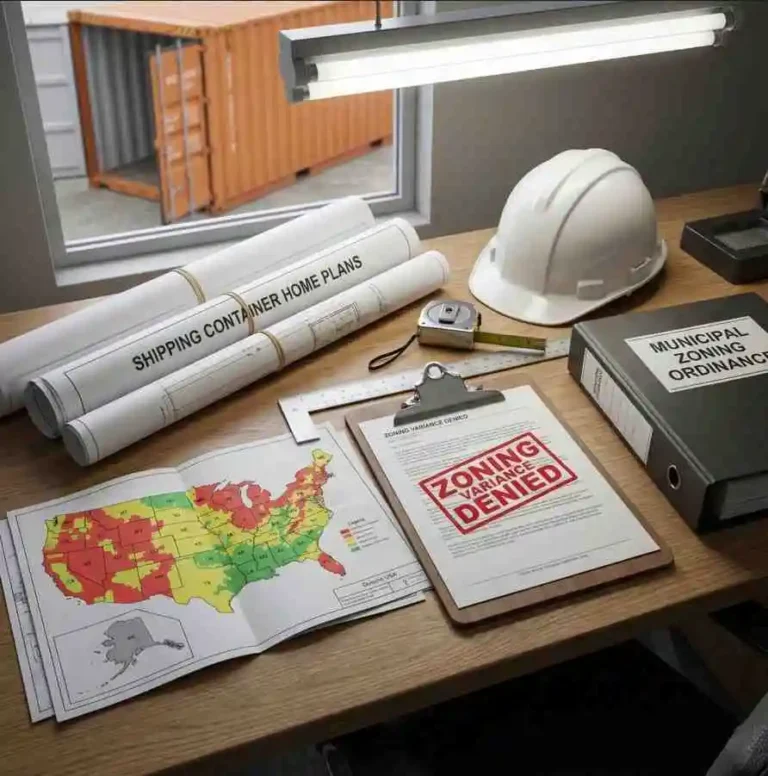
One of the most frequent questions we receive from aspiring homeowners in the Empire State is: are shipping container homes legal in New York? The short answer is yes, but with significant caveats regarding zoning, structural engineering, and local visual standards. Whether you are planning a modern retreat in the Catskills or a primary residence on Long Island, understanding the regulatory landscape is the first step to breaking ground.
New York presents a unique challenge because it combines some of the strictest building codes in the country with diverse environmental loads, including heavy snow in Upstate New York and high winds in coastal areas. Many potential builders wrongly assume that because a container is “steel,” it is automatically strong enough for these conditions; however, without proper modification and permitting, a container structure is simply a metal box, not a legal dwelling.
By aligning your project with the International Building Code (IBC) and working with the right professionals, you can navigate these hurdles. This guide will walk you through the specific zoning and code requirements necessary to build a legal, safe, and permitted container home in New York.
Understanding Zoning in New York
Before worrying about the structural code, you must first determine if your land is zoned for a container home. In New York, “Home Rule” means that local municipalities—towns, villages, and cities—have significant authority over land use and zoning regulations.
Zoning Districts and Restrictions
Most residential zones in New York (R-1, R-2) allow for single-family dwellings, but they often have strict “architectural review” standards. This is intended to preserve the character of historic neighborhoods, particularly in areas like Westchester County or parts of Long Island. In these zones, you may need to clad your container home in traditional materials (wood siding, stone veneer) to hide the industrial aesthetic.
In more rural areas zoned Agricultural or Rural Residential (common in Upstate NY), zoning is often more flexible. However, you must still comply with setbacks, minimum square footage requirements, and density limits. It is vital to check if your local zoning board has specific prohibitions on “metal buildings” or “modular units,” although these can often be challenged if your plans meet the International Code Council standards.
Always request a “Zoning Determination Letter” from your local building department before purchasing land. This document confirms whether a single-family dwelling is a permitted use and lists any specific design guidelines you must follow.
IBC Code Requirements: The Foundation of Legality
Once zoning allows the use, the structure itself must meet the New York State Uniform Fire Prevention and Building Code, which adopts the International Building Code (IBC) and International Residential Code (IRC). The 2021 IBC explicitly addresses shipping containers, removing ambiguity about their use as a building material.
Section 3115: The Gold Standard
The inclusion of Section 3115 in the IBC is a game-changer for builders. It provides a clear prescriptive path for repurposing shipping containers into safe building modules. Legality in New York hinges on compliance with these specific provisions, particularly regarding structural integrity after modification (cutting holes for windows and doors).
The International Code Council outlines these critical standards to ensure that modified containers can withstand the loads they will face as permanent dwellings.
📖 Click to Read Full IBC Section 3115.1
IBC Section 3115.1 – General:
The provisions of Section 3115 and other applicable sections of this code shall apply to intermodal shipping containers that are repurposed for use as buildings or structures, or as a part of buildings or structures.
Source: 2021 International Building Code
Structural Modification and Integrity
When you cut openings into a container, you compromise its structural integrity. Section 3115 requires that any repurposing of the container be supported by a structural analysis. This is where “permit-ready” plans become essential—they provide the architectural layout and detailing that a local engineer needs to perform the final structural calculations.
The Professional Engineer’s Role in New York
New York State enforces strict regulations regarding who can take responsibility for building plans. While you can purchase stock container home plans, New York law almost universally requires that final construction documents submitted for a building permit be sealed and stamped by a Professional Engineer (PE) or Registered Architect licensed in the state. This is not a suggestion; it is a legal mandate for structural safety.
Why “Permit-Ready” Needs a PE Stamp
At PermitContainerhomes.com, our plans are designed to align with the 2021 International Building Code (IBC) and International Residential Code (IRC). However, no stock plan can account for the specific soil conditions, wind exposure, or snow load of your specific lot in New York. Your local PE takes our architectural set, performs the site-specific calculations, and applies their seal, effectively taking legal responsibility for the structure.
The International Building Code, which New York adopts with amendments, clearly defines this requirement for registered design professionals.
📖 Click to Read Full IBC Section 107.1
IBC Section 107.1 – General:
The construction documents shall be prepared by a registered design professional where required by the statutes of the jurisdiction in which the project is to be constructed. Where special conditions exist, the building official is authorized to require additional construction documents to be prepared by a registered design professional.
Source: 2021 International Building Code
The Engineering Review Process
After purchasing your plans, you will hire a local NY-licensed PE. They will review the foundation design to ensure it sits below the frost line (which ranges from 36″ to 50″+ in New York). They will also verify that the container modifications (window and door cutouts) have been adequately reinforced to meet the International Code Council standards for structural integrity.
PE review services typically cost between $2,000 and $5,000, though complex projects in New York City or the Hamptons may exceed this range. This fee is separate from your plan purchase but is essential for obtaining a building permit.
Step-by-Step Permit Process in NY
Securing a building permit in New York involves navigating both state codes and local municipal procedures. While every town (from Ithaca to Woodstock) has its own nuances, the general workflow remains consistent. Organization and professional documentation are your best tools for a smooth approval.
Energy efficiency is a major component of the New York permit process. The state strictly enforces the Energy Conservation Construction Code. For detailed guidance on meeting these high-performance standards with metal structures, the U.S. Department of Energy offers resources on insulation strategies that prevent thermal bridging in steel buildings.
1. Pre-Application Conference
Before submitting anything, schedule a meeting with your local Building Department. Bring a rough sketch of your plot and the container home concept. Ask specifically about “modular” vs. “manufactured” definitions in their zoning code, as this terminology often trips up container builders in New York.
2. Site Plan & Engineering
Once you have a green light on zoning, you will need a site plan. This must show the proposed location of the home, septic system (or sewer connection), well (or water line), and driveway. Simultaneously, your PE will be preparing the structural drawings and the REScheck (energy compliance certificate).
3. Submission & Review
Submit your application packet, which typically includes:
• Completed Building Permit Application
• 3 sets of PE-stamped Construction Documents (Foundation, Floor Plan, Elevations, Electrical, Plumbing)
• Energy Code Compliance documentation
• Workers’ Compensation/Liability Insurance forms (for your contractor)
Estimated Timeline & Costs
The following table provides a realistic look at the permitting phase in New York. Note that timelines in NYC or Westchester will be significantly longer than in rural Upstate counties.
| Phase | Estimated Timeline | Cost Range (NY Avg) |
|---|---|---|
| Plan Purchase | Instant | Varies by Size |
| PE/Architect Review | 3-6 Weeks | $2,500 – $6,000 |
| Site Survey | 2-4 Weeks | $800 – $1,500 |
| Permit Approval | 4-12 Weeks | $500 – $2,500 (Town Fees) |
Note: Costs are estimates and vary significantly by jurisdiction, project complexity, and professional rates. New York City permitting is a distinct process with higher costs and longer timelines.
📖 Click to Read IBC Section 105.1 (Permits Required)
IBC Section 105.1 – Required:
Any owner or owner’s authorized agent who intends to construct, enlarge, alter, repair, move, demolish or change the occupancy of a building or structure, or to erect, install, enlarge, alter, repair, remove, convert or replace any electrical, gas, mechanical or plumbing system, the installation of which is regulated by this code, or to cause any such work to be performed, shall first make application to the building official and obtain the required permit.
Source: 2021 International Building Code
New York Specific Challenges: Snow, Wind & Insulation
Building in New York is distinct from building in milder climates like Texas or Florida. The state’s diverse geography creates “micro-climates” that impose specific physical demands on container structures. Failing to account for these during the planning phase is the primary reason for permit denial.
The Insulation & Condensation Battle
New York’s climate swings from freezing winters to humid summers create a perfect storm for condensation inside steel containers. Standard fiberglass insulation is often insufficient and can lead to hidden rust and mold. To meet NYS Energy Code, most projects require closed-cell spray foam insulation to create a continuous vapor barrier and high R-value per inch.
Visual & Zoning Hostility
A common hurdle in New York is not structural, but aesthetic. Many Architectural Review Boards (ARBs) in towns like Beacon, Hudson, or Southampton may reject a “raw” container look. You may need to budget for exterior cladding—such as wood, fiber cement, or stone veneer—to satisfy local “character” requirements while maintaining the modern container structure underneath.
Expert Tips & Key Takeaways
Successfully building a container home in New York requires a blend of bold vision and bureaucratic patience. After helping hundreds of builders navigate the process, here are the essential keys to success in the Empire State.
Essential Points Summary
- Zoning First, Design Second: Never buy land without a Zoning Determination Letter confirming “single-family residence” is a permitted use for your specific building type.
- Respect the Snow Load: In regions like the Adirondacks or Tug Hill, standard container roofs must be reinforced or covered with a pitched stick-built roof to shed snow.
- Budget for the PE: Your plan set is the foundation, but the Professional Engineer (PE) is the gatekeeper. Budget $2,000-$5,000 for their essential review and stamping services.
- Don’t Skip Insulation: New York Energy Code is strict. Plan for high-quality spray foam insulation to pass the “REScheck” and ensure a comfortable year-round home.
- Community Relations: Meet neighbors and officials early. A friendly face and a professional presentation can turn potential objectors into supporters.
With comprehensive planning documentation, Professional Engineer support, and a clear understanding of your local requirements, you’re well-positioned to successfully navigate the New York permitting process and build your dream container home.
Ready to Start Your Container Home Project?
Explore our collection of comprehensive container home plans designed to align with 2021 IRC and IBC building code standards. Each plan includes complete architectural drawings, structural details, electrical layouts, plumbing systems, and beautiful 3D visualizations—everything your Professional Engineer needs for efficient review.
Browse Complete Plan Collection →Need Plan Modification? If you find a plan you love but need to adjust it for your local climate or personal needs—such as moving a window or adding a door—our team can help. We offer a professional plan modification service after purchase. Simply contact us with your modification needs, and we’ll provide a personalized quote.
⚖️ Professional Engineering & Plan Documentation Disclaimer
Important: Our plans are permit-ready but require review and stamping by a local licensed Professional Engineer (PE) in your jurisdiction. Final approval is subject to local building codes and regulations. We recommend consulting your local building department to verify all requirements.
Refund Policy: Due to the digital nature of our plans, all sales are final. Please review our Refund Policy for details.